


Waterproof Yard Boots for Winter: Warm, Dry and Practical Options
A practical guide to waterproof winter yard boots, covering warmth, lining, grip, fit, cleaning and verified Polar Storm, Quebec and Alaska routes.
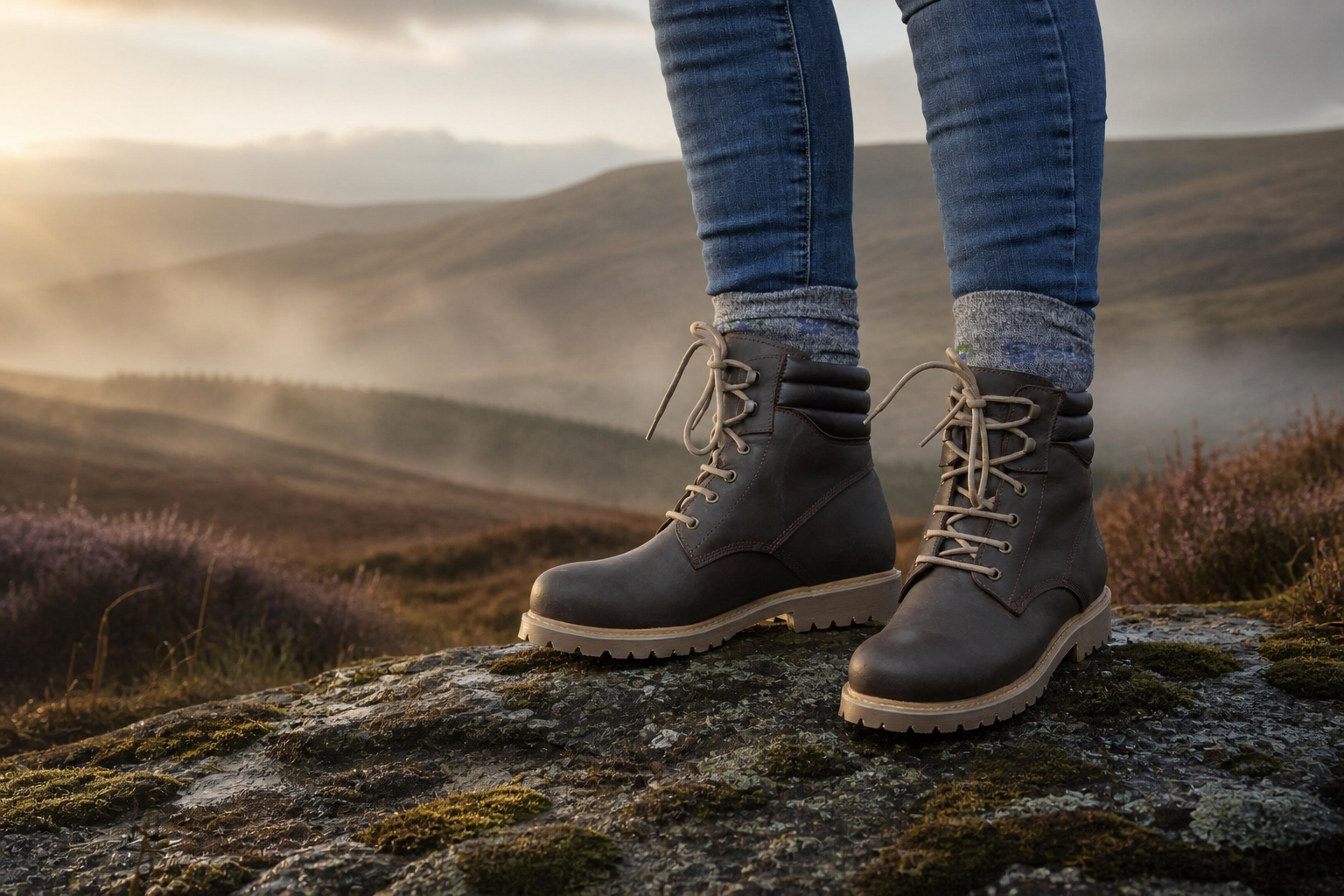
The best waterproof winter yard boots combine a verified waterproof membrane, genuine insulating lining, secure traction and a fit that leaves sensible room for winter socks. For cold British yards, choose by the wettest job and your foot or calf needs—not by a cosy-looking cuff alone. Warmth and waterproofing are separate features.
Compare the current warm boots, yard boots and waterproof boots, then use the guide below to narrow the choice.
What should winter yard boots do?
| Winter need | What to check | Why it matters | Bareback starting point |
|---|---|---|---|
| Cold, wet daily yard work | Waterproof membrane plus wool or shearling lining | Wet protection and insulation solve different parts of the problem | Alaska Storm |
| Adjustable calf fit | Full-leg lacing with a waterproof gusset | Allows the shaft to be adjusted around winter layers | Polar Storm |
| High instep or wider foot | Roomy foot shape and an opening that is easier to access | A warm lining is little help if the boot is painfully tight | Quebec Zip-up Wool Lined |
| Mud, wet grass and hard surfaces | Product-specific outsole and secure heel fit | Traction and stability matter across changing yard surfaces | Compare yard boots |
| Regular winter cleaning | Material-appropriate care and natural drying | Mud and direct heat can shorten the useful life of leather | Read the care guide |
Are waterproof boots automatically warm?
No. Waterproof construction helps keep external moisture out; insulation helps retain warmth. A waterproof leather boot without an insulating lining may work well with suitable socks, while a wool-lined boot gives built-in warmth. A cosy-looking trim does not prove either feature.
For winter yard use, check the live product description for both. If the main problem is wet grass and mud, waterproofing comes first. If you spend long periods standing in cold conditions, genuine wool or shearling through the footbed and leg may be more important.
Which lining is practical for cold yard work?
Current Bareback winter styles use genuine sheep wool, wool insoles or shearling linings in specific products. These materials provide insulation while remaining breathable. The exact coverage varies: some products line the leg and footbed, while others combine a thermal insole with a different upper lining.
Do not assume every “warm” or “winter” boot has the same construction. Check whether the lining covers the whole foot and leg, whether the insole is removable and how much space remains with the socks you normally wear.
Which sole works for winter yards?
Winter yards can change from wet grass and muddy gateways to concrete, rubber matting and frozen ground. Look for a sole described for traction and a boot that holds the heel securely. A very loose boot can feel unstable even when the tread looks substantial.
No outsole removes the need for care on slippery ground. Mud, ice, worn tread and the surface itself all affect grip. Clean compacted mud from the sole and replace footwear when wear changes the tread or fit.
Three verified waterproof winter yard boot routes
Polar Storm Waterproof Boots: adjustable wool-lined coverage
Polar Storm Waterproof Boots are mid-calf navy boots with genuine sheep-wool lining in the leg and footbed, a waterproof Wil-Tex™ membrane, full-leg lace adjustment, moulded shank and durable rubber base. The current fit guide marks them true to size.
Choose Polar Storm when calf adjustment is central to the decision. The laces allow the shaft width to be set around your leg and winter layers, while the gusseted system is part of the waterproof construction.
Quebec Waterproof Zip-up Wool Lined Boots: easier access
Quebec Waterproof Zip-up Wool Lined Boots combine a wool thermal insole, shearling lining, waterproof and breathable Wil-Tex™ lining, full-length zip, elasticated ankle and anti-slip PU and rubber sole. The current product guidance says they run slightly large and identifies the style as suitable to compare for a high instep or wider foot.
Choose this route when getting into a pull-on winter boot is the bigger challenge. The zip and elasticated ankle provide a different access route from Polar Storm’s adjustable lacing.
Alaska Storm Waterproof Boots: simple mid-calf pull-on
Alaska Storm Waterproof Boots are mid-calf pull-on boots with top-to-toe sheep-wool lining, a waterproof and breathable STORMPROOF Wil-Tex™ lining, generous footbed and anti-slip PU and rubber sole. The current fit guide marks them true to size.
Choose Alaska Storm when you want a straightforward pull-on shape with built-in wool lining. Check the live product page for current options before ordering.
How should waterproof winter yard boots fit?
A winter boot should hold the heel securely without crushing the toes or instep. Leave enough room for the socks you actually wear, but do not automatically size up: too much movement can reduce stability and create rubbing.
- High instep: compare an opening that can be widened, such as lacing or a full zip.
- Wide foot: check the product’s foot-fit guidance rather than relying on calf width.
- Wide calf: use the shaft measurements and adjustment system; a wide calf does not automatically mean a wide footbed.
- Thick socks: try or measure with the same sock weight you plan to use.
- Between sizes: follow the live fit guide for the individual product.
How do you clean winter yard boots?
- Remove loose mud. Let heavy mud soften or dry enough to brush away without scraping the leather.
- Clean for the material. Smooth leather, waxed leather, suede and nubuck need different products and methods.
- Dry naturally. Keep boots away from radiators, fires and other direct heat.
- Condition or protect as directed. Use only treatments suitable for the boot’s leather and finish.
- Check soles and fastenings. Clear compacted tread and inspect laces, zips and pull tabs before the next use.
For the wider winter range, browse warm boots. If wet-weather construction matters more than insulation, compare all waterproof boots. For stable jobs and turnout, start with yard boots.
Frequently asked questions
What are the best waterproof winter yard boots?
The best choice depends on fit and job. Polar Storm offers wool lining and calf adjustment, Quebec Zip-up Wool Lined helps with access, high insteps and wider feet, and Alaska Storm provides a simple wool-lined mid-calf pull-on route.
Are warm yard boots always waterproof?
No. Warmth and waterproofing are separate features. Check the live product description for a waterproof membrane as well as the exact lining construction.
Should I size up for winter socks?
Not automatically. Follow the product’s fit guidance and try the boot with your normal winter socks. Too much extra room can allow heel movement, while a tight fit can be uncomfortable.
How should I dry wet leather yard boots?
Remove mud and allow the boots to dry naturally away from direct heat. Follow the care guidance for the specific leather finish before applying cleaner, conditioner or protector.
Can I ride in waterproof winter yard boots?
Only if the individual product is specifically designed and sold for riding. Waterproofing, warmth and yard use do not by themselves make a boot suitable for stirrups.
Need help choosing the right boots?
Our friendly team can help with fit, calf width, instep and sizing. Give us a call or drop into the showroom.