


Comfort Insoles & Laces
8 products
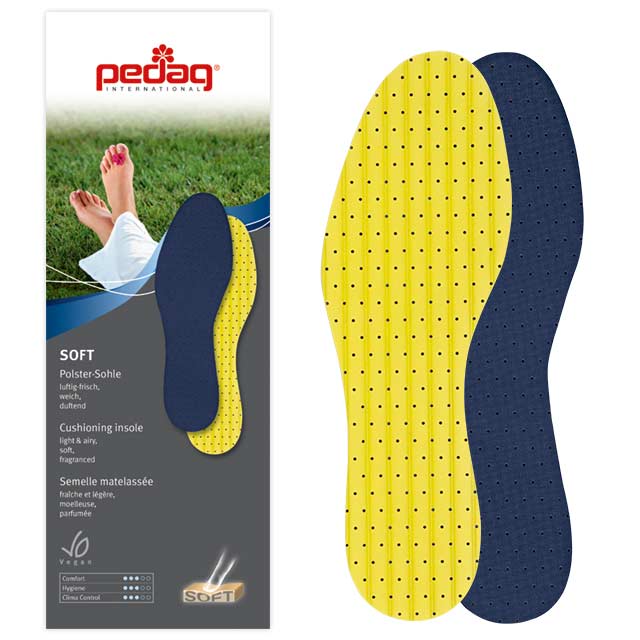
Small upgrades that make a big difference to comfort. Our range covers cushioning and sheepskin-lined insoles, heel raisers and replacement laces for your Bareback boots and shoes. Choose the footbed that suits your fit, then simply swap it in for all-day support.
Filter
Style & height
Colour
Suitable for riding
UK size
Waterproof
Availability
8 products
Not sure of your size?
Our boots size up differently style to style. Tell us what you ride in now and we will tell you what fits.
Talk to a fitter01886 888873, 10am - 4.30pm Monday - Friday. Free UK delivery over £70, and free UK returns for 45 days.




Not sure what you need?
Tell us what you are treating and we will tell you which product to use.
Talk to our team01886 888873, 10am - 4.30pm Monday - Friday. Free UK delivery over £70, and free UK returns for 45 days.Loading more...
Comfort Insoles & Laces Guide
The right insole can transform how a boot feels, adding cushioning, warmth or a little extra height where you need it. Below you'll find honest advice on choosing and fitting insoles, looking after wool footbeds and refreshing your laces.