


Comfortable Waterproof Boots for Long Days on Your Feet
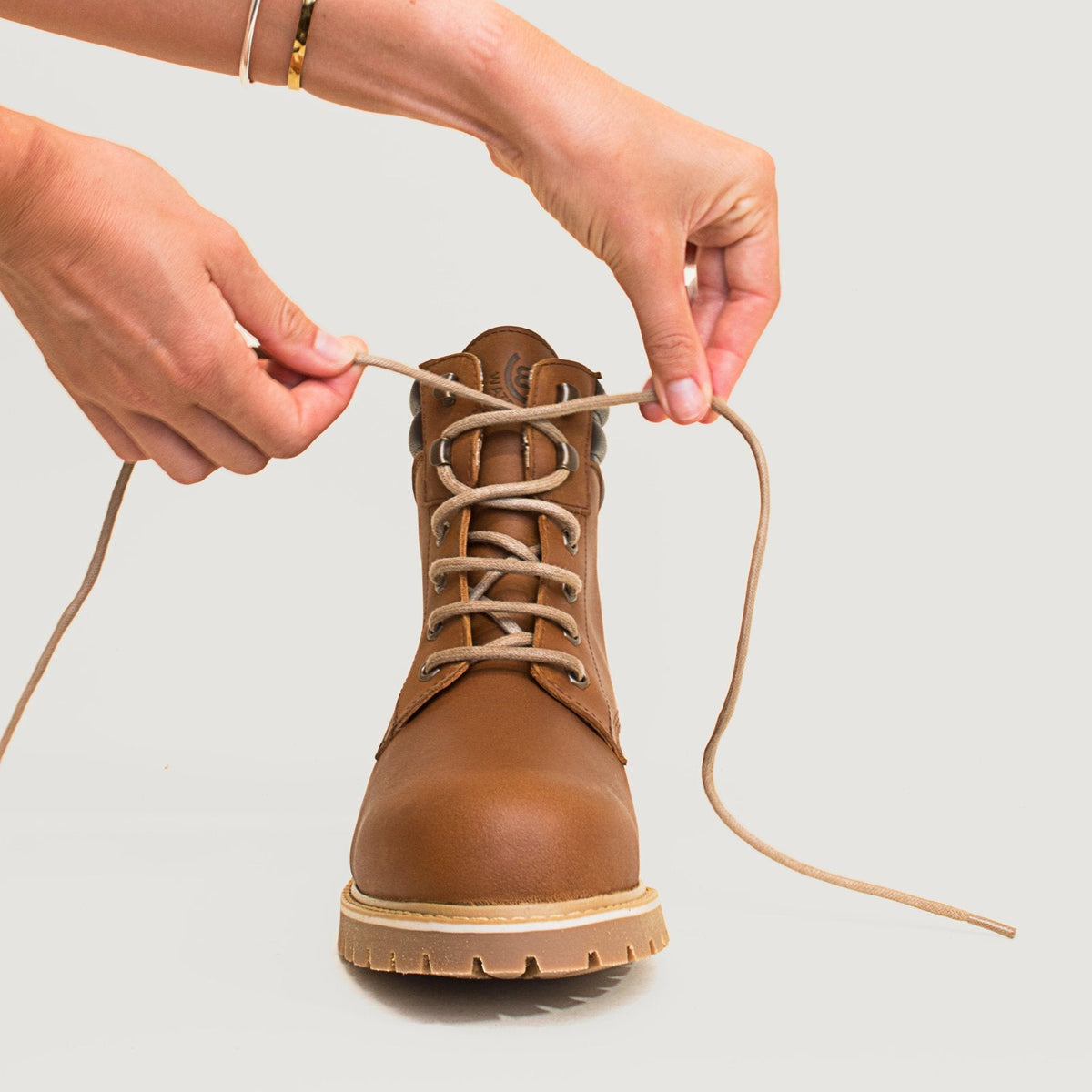
For long days on your feet in wet conditions, choose waterproof boots with enough toe room, a secure heel fit and cushioning that suits you. Removable insoles and adjustable fastenings are useful, but neither guarantees comfort. Start with your main activity, check the exact boot’s waterproof construction, then try both boots with your usual socks before committing.
What makes waterproof boots comfortable for a long yard day?
Comfort comes from the combination of fit, underfoot feel and practical protection. A soft footbed cannot compensate for cramped toes or a heel that slips. A waterproof membrane addresses wet conditions, while the fastening and lining affect how the boot feels during repeated walking, bending and standing.
For a day split between stable jobs and a dog walk, prioritise a fit you can move in. For frequent changes between indoors and outdoors, ease of taking boots off matters too. Choose warmth for the conditions rather than automatically choosing the thickest lining.
Which verified Bareback options should you compare?
| Boot | Verified features | When to consider it | What to check |
|---|---|---|---|
| Rocky Waterproof Boots in brown | Wil-Tex waterproof membrane, removable Perlon footbed with moisture-wicking Therma-tex layer, padded ankle collar and moulded shank. | When you prefer a lace-adjustable short boot for wet yard and walking tasks. | Try the collar and lacing tension with your usual socks. Check that the forefoot feels comfortable without overtightening the laces. |
| Vancouver Storm in brown | Wil-Tex waterproof membrane, removable Cambrella cushioned insole, gel-cushioned heel inserts and moulded shank. | When you prefer a pull-on ankle boot with underfoot cushioning. | Check entry over the instep and heel hold. A pull-on style offers less adjustment than laces. |
These are product features, not a ranking or a promise that either boot will feel comfortable for every wearer. Neither recommendation establishes protective workwear certification or suitability for every riding situation. If your work requires safety footwear, check the required certification rather than choosing on comfort or waterproofing alone.
How much toe room should you look for?
Your toes should not feel compressed at the sides or pressed against the end when you stand and walk. Check both feet, as the fit can differ. Do not choose an excessively loose boot simply to gain width: extra length may leave your heel moving too much.
Foot width and calf width are different measurements. Bareback’s wide-calf riding and country collection helps with leg-room choices; it does not mean every boot has a wider footbed. Check the individual product guide for the part of the fit you need.
Are removable insoles useful?
A removable insole can be taken out for airing or replacement where the product permits. Rocky and Vancouver have different removable footbeds, so compare their actual feel rather than assuming all insoles are the same.
A thicker replacement takes up space inside the boot. Recheck toe room, instep pressure and heel hold after changing an insole. Do not stack insoles or remove cushioning simply to force an unsuitable size to fit. Ask the boot team if you are unsure about a replacement.
Should you choose laces, a zip or a pull-on boot?
Laces let you adjust tension over the instep and ankle. Loosen them properly before putting boots on, then tighten evenly without creating pressure points. A zip can make entry easier, but is not itself a guarantee of adjustable fit or waterproofing. Pull-on boots avoid a fastening step, though the opening still needs to suit your instep.
If zip access is your priority, compare the current construction in the Quebec zip versus pull-on guide. Check each product’s waterproof specification, including any gusset or stated protection limit.
How can you check the fit before a full day outside?
- Put on the socks you intend to wear and try both boots.
- Stand, walk and bend your ankles indoors on a clean surface. Look for toe pressure, heel movement and rubbing at the collar.
- Adjust laces where fitted. Do not force a zip closed or assume painful pressure will disappear with wear.
- Compare another size or style if the fit still feels wrong. Follow the current returns conditions when trying footwear.
Choose the right fit before the first wet yard shift, rather than discovering a pressure point midway through the day.
How should you care for boots after a wet working day?
Remove mud and yard waste, clean according to the leather’s care instructions and let the boots dry naturally away from direct heat. Keep zip teeth and soles clear of grit. Use only treatments appropriate to the finish: suede and crushed nubuck need different care from waxed leather. Follow the Bareback leather boot care guide.
Where should you start shopping?
Start with waterproof boots, then compare the yard boot range against your usual tasks. For help choosing between the Rocky and Vancouver fit, ask the Bareback team with your usual size, sock choice and the part of the fit you find difficult.
Frequently asked questions
Does waterproof mean comfortable all day?
No. Waterproofing describes protection from water under the product’s stated conditions. Comfort also depends on fit, socks, cushioning, activity and personal preference.
Can I replace the insoles in Rocky or Vancouver boots?
Both products list removable footbeds. Check replacement compatibility and recheck toe room, instep pressure and heel hold, because a thicker insole changes the available space.
Are wide-calf boots also wide in the foot?
Not necessarily. Wide calf describes the leg fit, not automatically the footbed. Check the individual product guide for foot width and calf measurements.
Need help choosing the right boots?
Our friendly team can help with fit, calf width, instep and sizing. Give us a call or drop into the showroom.