


Wool-Lined vs Fur-Lined vs Fleece-Lined Boots: What’s Warmest for Yard Work?
Compare wool, shearling, fur and fleece boot linings for cold yard work, including waterproofing, fit and current warm Bareback options.
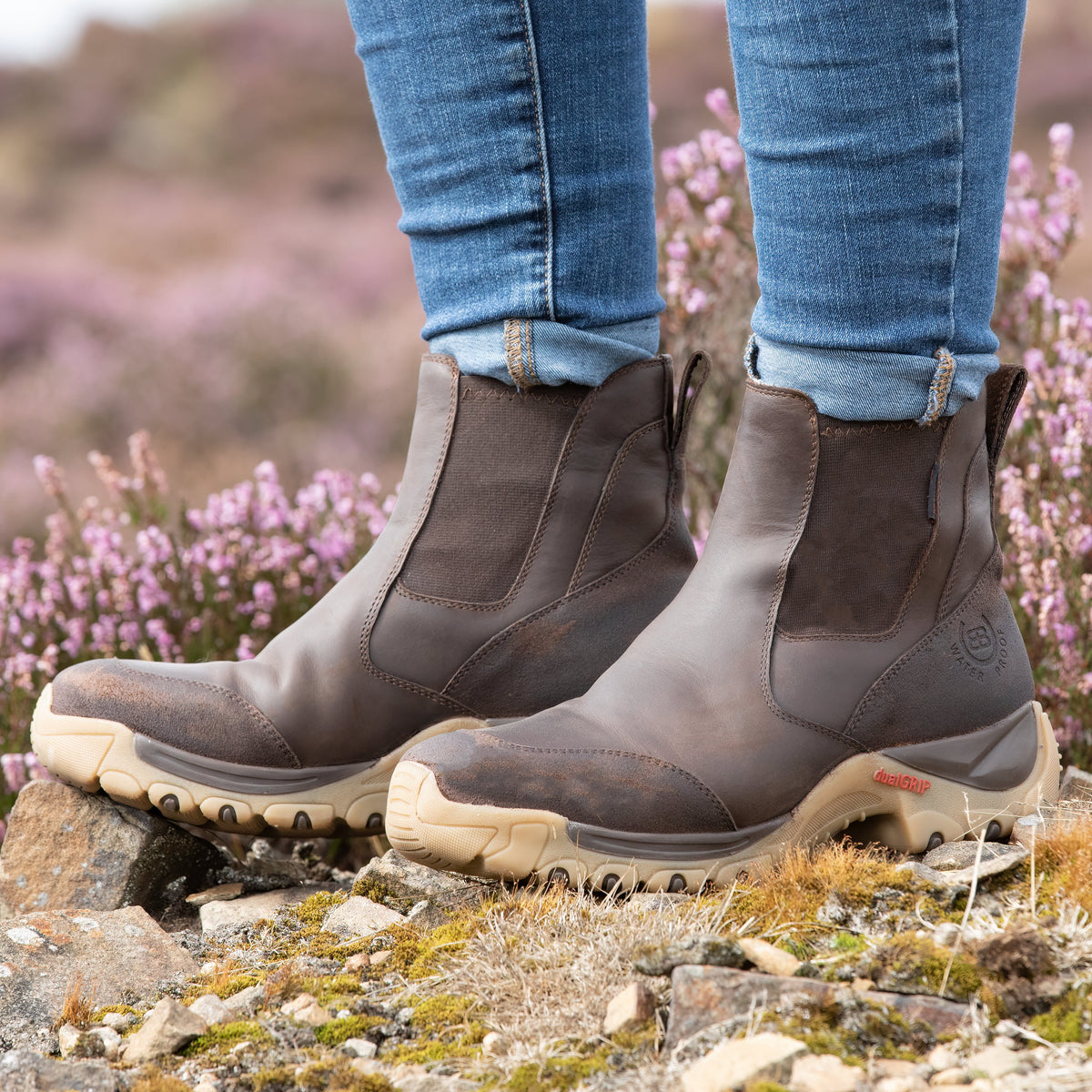
There is no single warmest lining for every yard job. In otherwise similar boots, a deep natural sheep-wool or shearling lining is usually the warmest choice for long, cold periods; synthetic fleece is lighter and often dries faster; and “fur-lined” can mean natural shearling or synthetic faux fur, so check the material. Waterproof construction, fit, socks and how active you are matter just as much.
For cold, wet days, compare Bareback’s warm boots, waterproof boots and yard boots before choosing an individual style.
Which boot lining is warmest for yard work?
| Lining | Typical feel | Best suited to | What to check |
|---|---|---|---|
| Natural sheep wool or shearling | Deep, insulating and temperature-regulating | Cold, slower-paced yard jobs and long periods outdoors | How much of the foot and shaft is lined, plus drying and care instructions |
| Synthetic fleece | Soft, lighter and often quicker to dry | Active jobs, milder winter days and people who prefer less bulk | Fleece weight, coverage and whether the complete boot is waterproof |
| “Fur-lined” | Varies widely | Only after the exact material and coverage are confirmed | Whether “fur” means natural shearling, sheep wool or synthetic faux fur |
Is wool lining always warmer than fleece?
Not automatically. A thick wool lining can provide strong insulation, but warmth also depends on where the lining is placed, the space around your toes, the sole, the waterproof barrier and whether moisture can escape. A cramped wool-lined boot may feel colder than a correctly fitted fleece-lined boot because compressed toes and restricted circulation reduce comfort.
What does “fur-lined boots” actually mean?
The phrase is not precise enough on its own. It may describe natural shearling, sheep wool or a synthetic faux-fur textile. Check the product description for the actual fibre and whether it lines the whole foot, only the footbed, the ankle or the shaft. Bareback’s current Quebec product page, for example, specifies shearling lining and a plush wool thermal insole rather than relying on the word “fur” alone.
Does a warm lining make boots waterproof?
No. Lining and waterproofing perform different jobs. A warm lining helps retain heat; waterproof construction prevents water entering through the boot. For wet yards, look for an explicit waterproof claim and verified membrane or construction details on the individual product page. Surface-treated leather or a cosy lining does not make a complete boot waterproof.
Which current Bareback boots suit cold, wet yard days?
| Current option | Verified lining and waterproof details | When to consider it |
|---|---|---|
| Ottawa Storm Waterproof Short Boots | Genuine natural sheep-wool lining through the footbed and ankle, with a Wil-Tex™ waterproof membrane and waterproof stretch panels | When you want warm ankle coverage and a short boot for everyday outdoor jobs |
| Rocky Winter Waterproof Boots | A fully natural sheep-wool-lined foot with a removable natural sheep-wool insole and a breathable Wil-Tex™ waterproof membrane | When you prefer a supportive short boot with a deeper outdoor sole |
| Quebec Waterproof Zip-up Wool Lined Boots | Shearling lining, plush wool thermal insole and waterproof breathable Wil-Tex™ lining | When you want mid-calf coverage, a full-length zip and a roomier fit for a higher instep or wider foot |
Product ranges and fit details can change, so use the live product page for the final size, construction and care check.
How do you choose warm yard boots without overheating?
- Start with the job. Standing, teaching or waiting generally needs more insulation than brisk mucking out or walking.
- Match the weather. Choose verified waterproof construction for wet conditions, not just a warm lining.
- Check the coverage. A wool footbed, fully lined foot and fully lined shaft are different.
- Leave useful toe room. Do not size up blindly, but avoid compressing thick socks and toes.
- Plan for drying. Remove loose insoles when the care instructions allow and dry boots naturally away from direct heat.
Are lined boots suitable for every season?
No. Deep wool or shearling may be excessive for warm weather or highly active work. A lighter unlined or textile-lined waterproof boot can be more comfortable when temperatures rise. If one pair must cover changing conditions, prioritise fit, waterproofing and removable insoles rather than choosing the thickest lining available.
Frequently asked questions
Are wool-lined boots good for yard work?
Yes, when the fit and construction suit the job. Wool lining is useful for cold outdoor work, but wet conditions also require a separately verified waterproof boot.
Are fleece-lined boots waterproof?
Not necessarily. Fleece describes the lining, not the outer construction. Check for an explicit waterproof claim and membrane or sealed construction on the individual product page.
Is shearling the same as sheep wool?
They are related but not identical labels. Shearling is sheepskin with the wool attached, while wool lining may be used in other forms. Product descriptions should state which material is present.
Should I size up for thick winter socks?
Not automatically. Follow the product-specific fit guidance and try the boots with the socks you intend to wear. Too much movement can rub, while compressed toes can feel cold.
How should lined leather boots be dried?
Remove surface mud and allow them to dry naturally away from radiators or direct heat. Follow the product’s material-specific care instructions, especially for removable wool insoles.
Need help choosing the right boots?
Our friendly team can help with fit, calf width, instep and sizing. Give us a call or drop into the showroom.